Leipzig hosts a considerable number of museums with a focus on research and teaching. Particularly important are the Grassi Museum for Ethnology and the German Museum of Books and Writing. Moreover, the university operates four important museums, and the city of Leipzig is operating the Leipzig Natural History Museum and the School Museum.

REINVENTING Sammelwut, © GRASSI Museum für Völkerkunde zu Leipzig, Foto: Tom Dachs
Grassi Museum for Ethnology
The GRASSI Museum for Ethnology in Leipzig is the home to 200,000 objects, 100,000 photographic documents and archival materials, as well as more than 100,000 books. Thus, it stands as one of the oldest and most renowned ethnological museums in Germany. With its project REINVENTING GRASSI.SKD, the museum is gradually transforming into a network museum. Central to this transformation is a critical reflection on the museum’s history and collections within the framework of German and European colonialism. In collaboration with source communities, segments of local society, and international partners, the museum is rethinking object presentations, research, and educational programs.
read more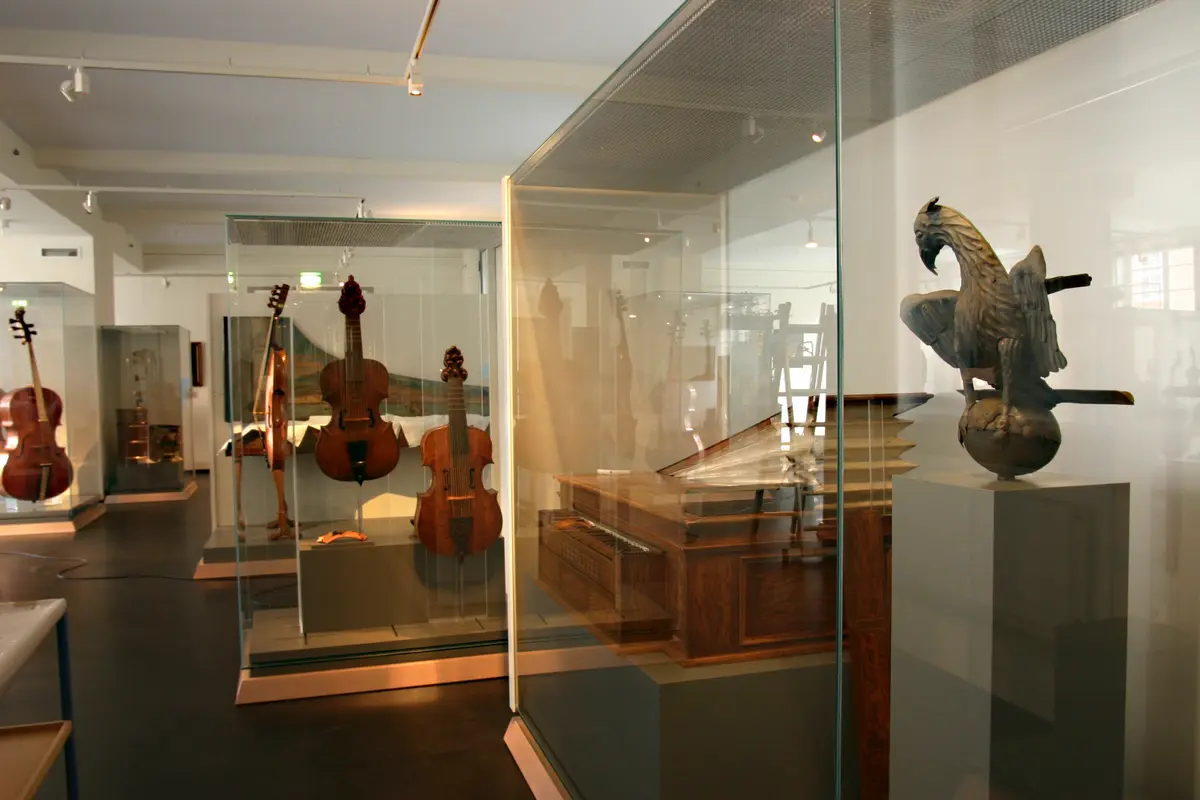
Exhibition of the museum. Foto: Marion Wenzel
Museum of Musical Instruments
The Museum of Musical Instruments of Leipzig University is one of the oldest and most significant collections of historical musical instruments. Its predecessor collections, established by Paul de Wit in Leipzig and Wilhelm Heyer in Cologne, played a pivotal role around 1900 in the development of the study of musical instruments as a specialized discipline within musicology. Since then, the museum and its study collection have become an internationally recognized institution and a valued research partner for historical and systematic musicology, along with all its interdisciplinary connections. At the same time, the collection is presented to the public as a museum of Leipzig University, enriching the cultural life of the city through an extensive program of special exhibitions, tours, and concerts.
read more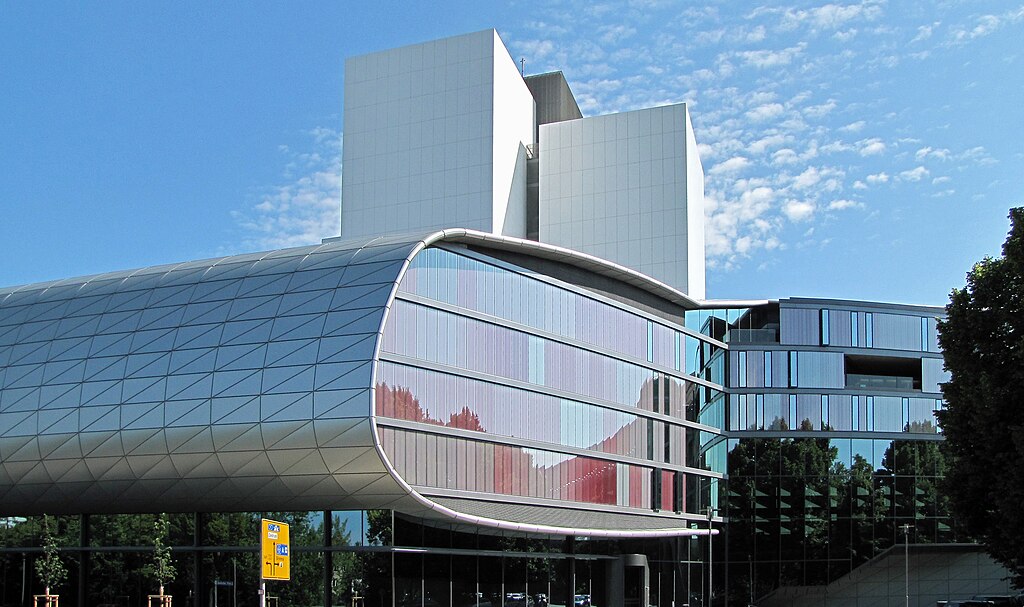
Exterior of new addition to the Deutsche Bücherei in Leipzig, Foto: Concord, CC BY-SA 3.0, via Wikimedia Commons

German Museum of Books and Writing
The German National Library is the central archive library for all media works in German from Germany and abroad. The building complex also houses the German Music Archive and the German Museum for Books and Writing. Hence, the German National Library is a library and archive, a museum, and a forum of public exchange. The German National Library is a place of freedom of information and expression, which aims to inspire and at the same time encourage critical thinking with a comprehensive program of events and hands-on activities.
read more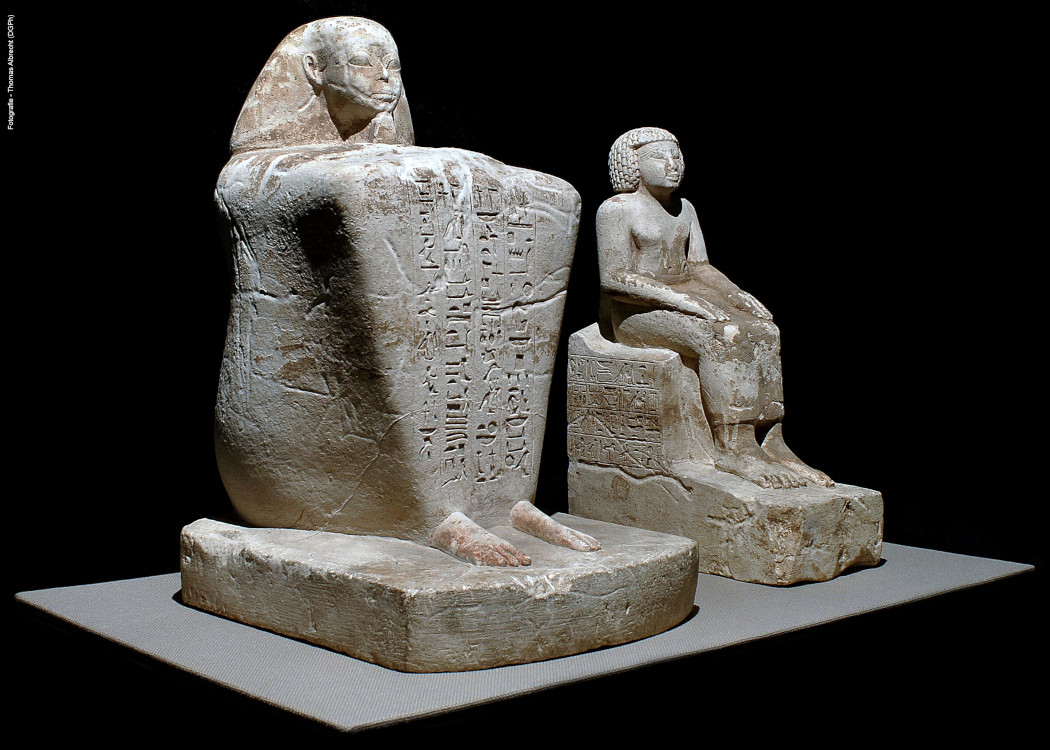
- author: Jürgen Vollmer
Egyptian Museum — Georg Steindorff
The collection is regarded as the largest and most important university collection of its kind in Germany. It features unique archaeological discoveries, primarily from Lower Nubian Aniba.
read more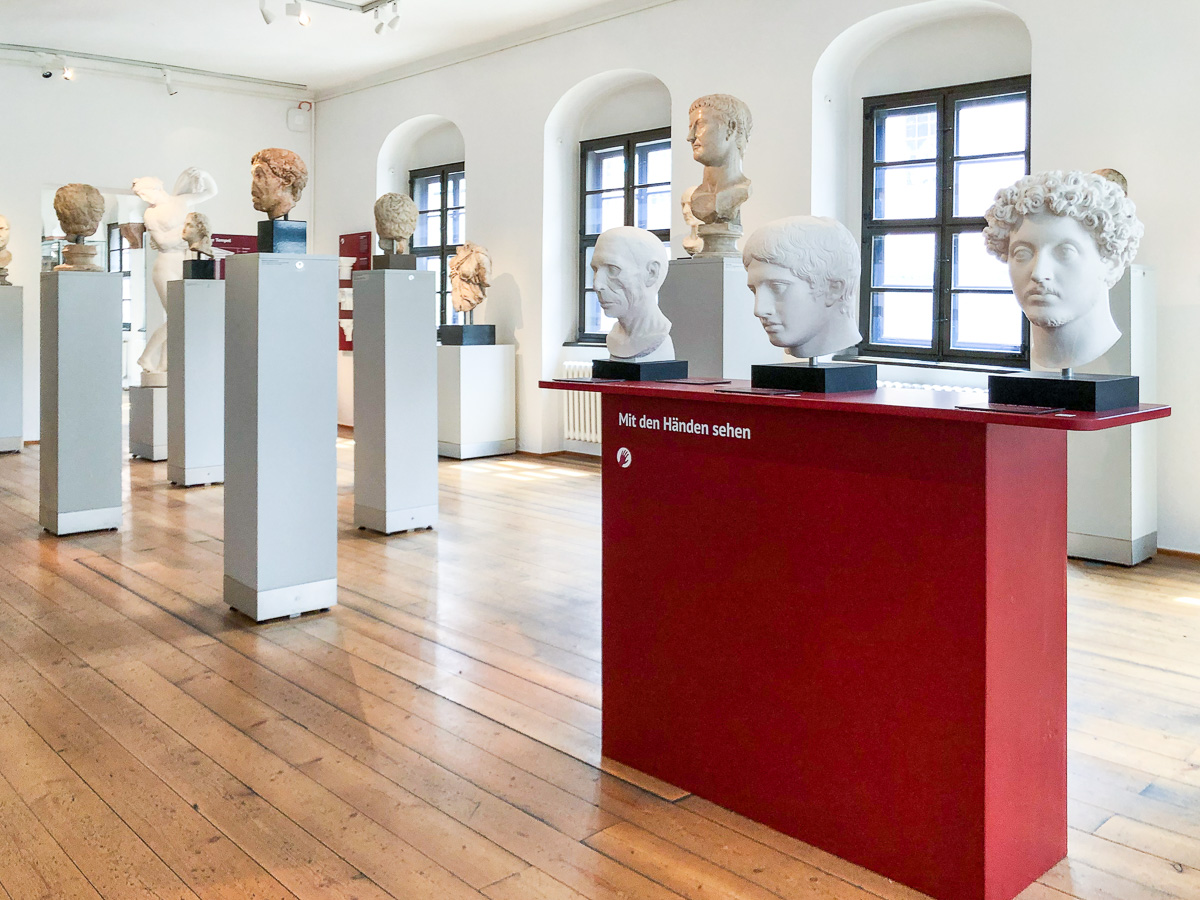
Sculpture hall of the permanent exhibition. Foto: Marion Wenzel
Antikenmuseum University of Leipzig
The Antikenmuseum of Leipzig University was founded in 1840, making it one of the oldest and most significant collections of Greek and Roman antiquities at German universities. Alongside the sculpture collection of the State Art Collections Dresden, it is now Saxony’s only museum offering comprehensive information on Greek and Roman antiquity. The museum is also deeply integrated into university teaching and research through various collaborative efforts.
read more
Historic class room of an elementary school around 1900. Foto: Schulmuseum
School Museum - Workshop for School History Leipzig
The School Museum — Workshop for School History Leipzig is an institution of the City of Leipzig, in collaboration with Leipzig University and HTWK Leipzig. Its unique collections and library holdings offer a comprehensive documentation of Leipzig’s history of education and schooling. The museum features lessons from the Imperial Era and the GDR school system, along with exhibitions, workshops, and project initiatives that explore the intersection of education and resistance, offering fresh perspectives on these themes.
read more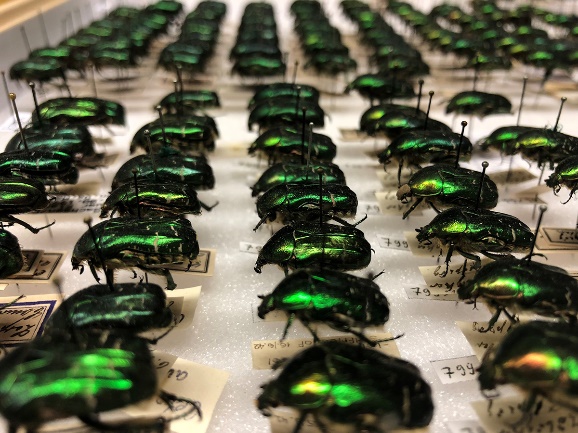
Collection of Invertebrates. © Naturkundemuseum Leipzig
Leipzig Natural History Museum
With a tradition spanning over a hundred years, the Leipzig Natural History Museum is a key institution for intergenerational scientific education. Serving as an archive of biodiversity, it preserves the legacy of remarkable scientific history. It is a place of science where collections are made, preserved, and researched across the fields of flora, fauna, geology, and archaeology. This invaluable wealth of knowledge and genetic diversity must be safeguarded and maintained to offer future generations the opportunity to explore the world in all its richness. Currently, a diverse range of events, with activities for all ages, provides fascinating insights into the museum’s collections and scientific endeavors.
read more